A wood stove that smokes is telling you something specific. Smoke curling out of the door when you load it, a sooty stain on the glass by noon, a smell in the hallway the next morning: each of those points at a part that has worn out. The good news is that most stove faults are part repairs, not a new stove. This post walks through how Toller Chimney Experts prices wood stove repair around Compton, what decides the figure, and what to look for in whoever you hire.
Why a healthy stove barely smokes
A stove is built to control air. It lets in only as much as the fire needs, holds the heat in the firebox, and in most current models feeds a second stream of hot air above the fire so the smoke burns before it leaves. When the seals, the baffle and the flue are all sound, a well-fed stove sends out very little visible smoke from the top of the chimney.
When one of those parts fails, the stove loses control of its air. The fire either starves and smolders, which makes thick smoke, or it races, which wastes wood and overheats the metal. Both are hard on the house and the street, and both are fixable.
The faults we price most often
These are the repairs that come up on most stove visits, with what each one does to the smoke:
- Door and glass gaskets. The rope seal around the door and the glass flattens with use. Air leaks in, the fire runs out of control, and smoke escapes when the door opens. Replacing the rope is the most common fix we do.
- Baffle or burn tubes. The plate or tubes above the fire carry the secondary air. A warped or cracked baffle lets smoke bypass the hot zone and go straight up the flue.
- Firebrick. Cracked or missing brick lets heat reach the steel shell. The stove runs cooler where you want heat and hotter where you do not.
- Catalytic combustor. Some stoves use a honeycomb element to burn the smoke at a lower temperature. Once it clogs or crumbles, smoke output climbs and the stove loses its clean-burning edge.
- Cracked glass or a warped door. The glass is ceramic and does not shatter like window glass, but it can crack. A door that no longer closes square will not seal however new the gasket is.
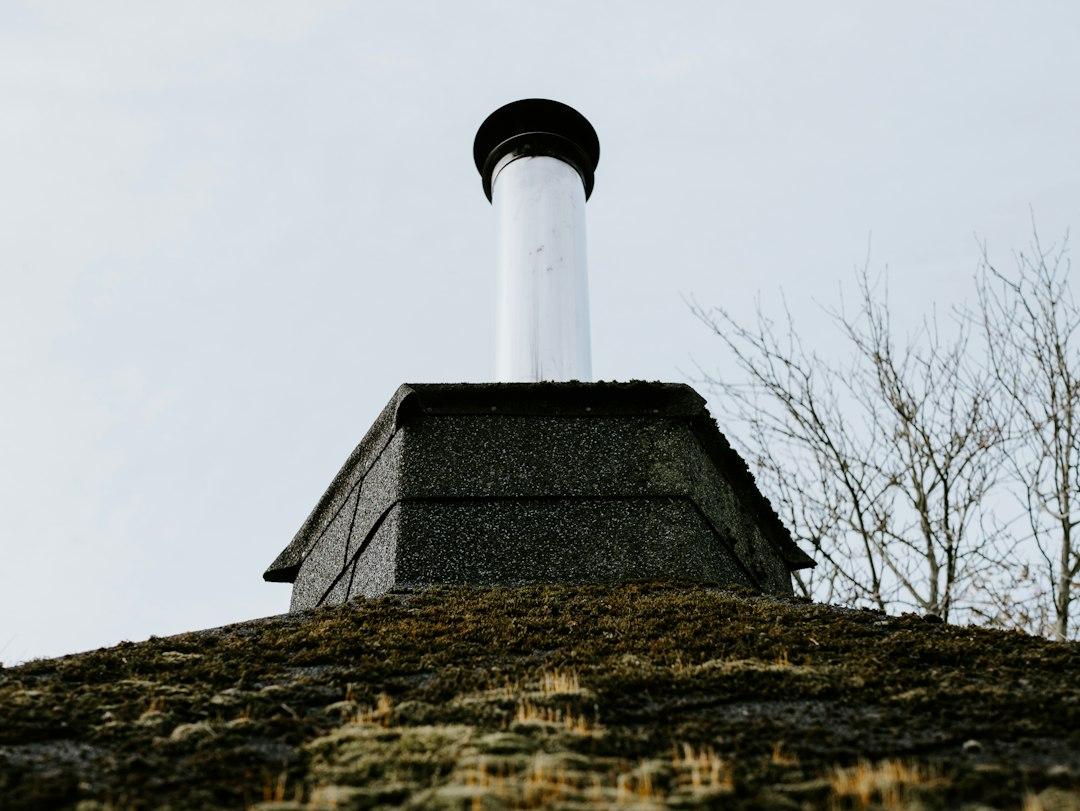
- The connector and flue. A rusted stovepipe, a loose joint or a flue choked with creosote will make even a perfect stove smoke back into the room.
What decides the price
We do not print a flat figure for stove repair, because the same symptom can cost very different amounts. What sets the number:
- The part. A gasket kit is a small cost. A catalytic combustor or a new baffle board is a larger one, and the price depends on the maker and model.
- Whether the part is still made. Common stoves have parts on the shelf at the supplier. An older or discontinued model can need a fitted substitute, which takes more labor.
- How far the damage has spread. A door seal caught early is one part. A seal that leaked for years can have warped the door frame too.
- The state of the flue. If the stovepipe and chimney need a sweep before the stove will draw properly, that is a chimney sweep from $425, added as its own line.
After the visit you get a written quote that lists each part, its price and the labor, so you can see which fixes matter most for the smoke and which can wait.
Book a stove repair visit
If your stove smokes, stains its glass or will not hold a fire, the repair visit is the next step. Fill in the booking form and tell us the maker and model if you can read them from the plate on the back, how old the stove is, and what you notice when it is lit. We may ask for a picture when we call you back.
Hiring someone for the job
Stove repair sits between two trades. A general handyman can swap a rope seal, but may not look at the flue. A chimney sweep may clean the flue but not carry stove parts. When you compare offers, ask each one:
- Will you look at the stove, the connector pipe and the chimney on the same visit?
- Will the quote name the parts by model, or just say "repair"?
- Will I get a written note of what you found, with the parts that were replaced?
- Do you fit the parts made for my stove, or a generic substitute, and will you tell me which?
A repair that fixes the door and ignores a choked flue will leave you with a smoking stove and a bill. The wood stove repair service page describes how we cover the stove and the chimney in one visit.
Repair, or replace with an insert
Sometimes the numbers point the other way. An old stove that needs a new baffle, a combustor, a door and firebrick at once may cost more to rebuild than it is worth, and an older design can stay smoky even after the repair. If that is where your quote lands, we will say so and price the alternative: a current wood stove, or a gas unit that can run on winter no-burn days. The post on fireplace insert cost shows the gas range we publish.
Firewood still counts
No repair makes wet wood burn clean. Wood that has not dried for a season hisses, smolders and coats the flue with tar. We note on every stove visit whether the creosote in the flue points to damp wood, so you know whether the fix is a part, the fuel, or both. That is not a lecture. It is the cheapest way to keep the smoke down once the stove is sound.
Stove work around Compton
We repair wood stoves in Compton, South Gate, Downey, Lakewood and nearby cities, on freestanding stoves and on stoves set into a fireplace. Toller Chimney Experts will look at the whole run from the firebox to the cap. To get on the schedule, go to our contact page and tell us about the stove.
Ready for a Cleaner-Burning Fire?
Toller Chimney Experts sweeps flues, repairs wood and pellet stoves, and fits inserts and gas logs, with the findings and any price set down in writing. Book from Compton, South Gate, Downey, Lakewood or a town nearby.