In Compton, owners rarely ask us whether their open fireplace works. They ask whether it can stop filling the living room with a smoky haze, and stop sending a gray plume over the neighbor's yard on a still January evening. A fireplace insert is the usual answer. This post covers what an insert costs with Toller Chimney Experts, what moves a quote up or down, and what you hold in writing before anything is ordered.
The published range
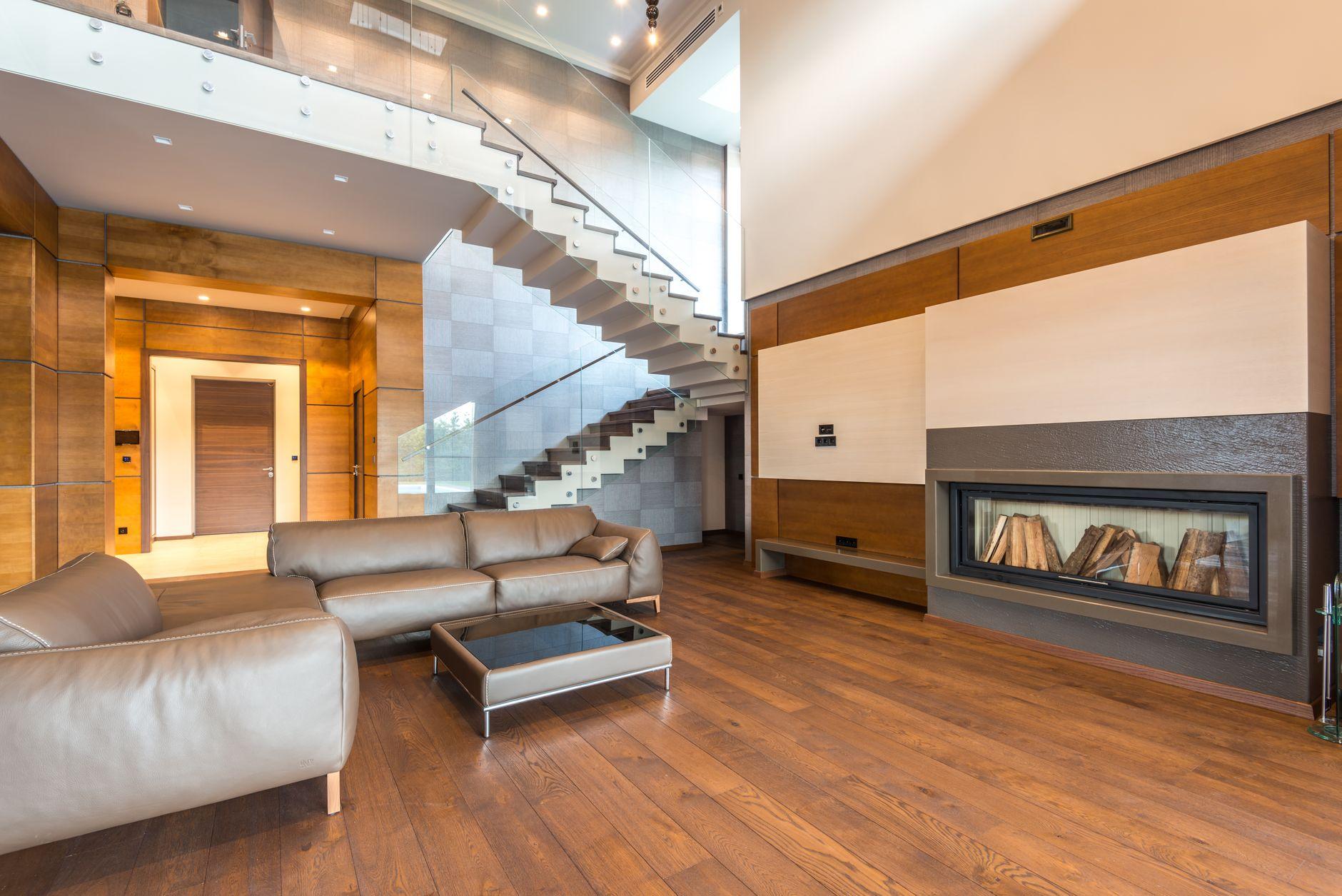
A gas insert set into the masonry fireplace you already have runs $2,800 to $5,650 with us, fitted and lit. That range covers the unit, the liner that carries its exhaust up the flue, the connection to a gas line already at the hearth, a plain surround panel over the old opening, and a first lighting with you in the room so you see how the controls work.
Wood-burning inserts, and the handful of gas units built for unusually large boxes, are priced after we have measured the opening. The box sizes, the flue heights and the hearth work differ too much from house to house to print one figure that would hold.
If the room you have in mind has no chimney at all, you are looking at a sealed gas unit framed into a wall and vented straight outside. That is a separate project at $4,500 to $9,050, and it starts with a visit to see where the vent can exit.
Why an insert burns cleaner than the open hearth
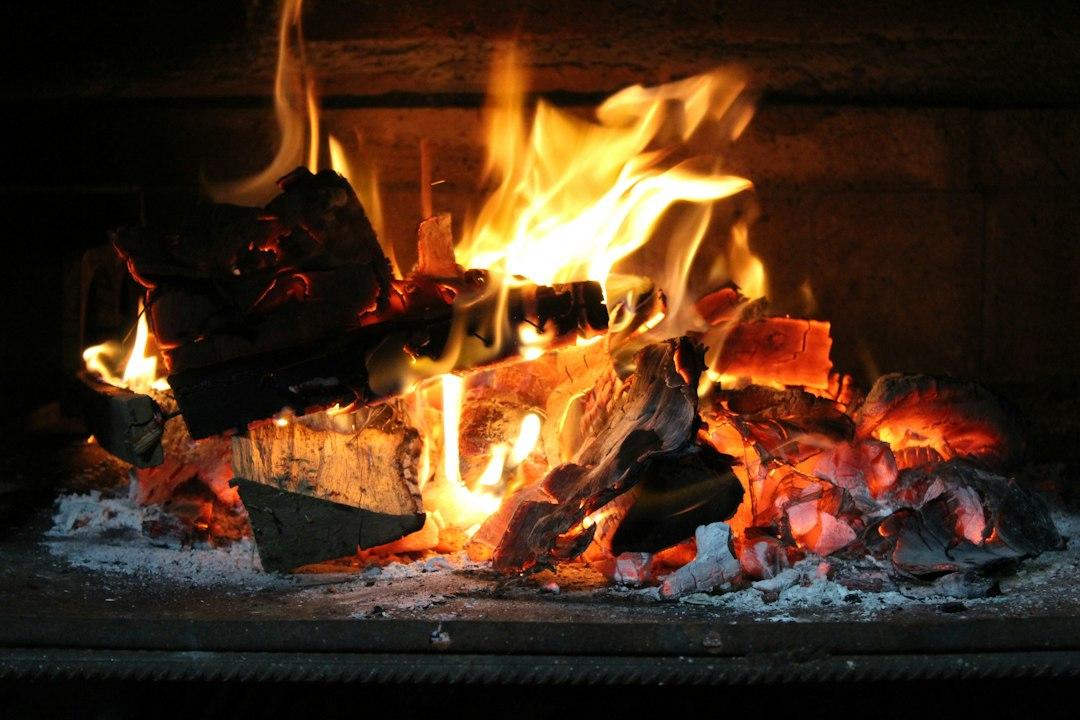
An open fireplace is an inefficient machine. It draws a large volume of room air up the chimney, the fire runs cool, and much of the wood leaves as smoke, tar and fine soot rather than heat. That soot lands on the flue walls as creosote, and the rest drifts across the block.
An insert closes the opening with a sealed firebox and a glass door. A gas unit burns a fuel that leaves almost nothing behind in the flue. A current wood insert meters its air so the fire runs hotter and the smoke burns inside the box before it reaches the chimney. Either way, the room stays clearer, the flue stays cleaner between sweeps, and far less haze hangs over the street.
There is a calendar reason too. In winter, South Coast AQMD calls no-burn days under Rule 445, and on those days wood fires are off across Compton, South Gate, Downey and Lakewood. A gas insert does not burn wood, so it can still be lit on those nights. For many households that one fact settles the choice between gas and wood.
What moves the price inside the range
Five things decide where your quote lands:
- The opening. A standard brick firebox takes a standard unit. A shallow box, an arched front or an unusual width can call for a smaller unit or a custom surround.
- The flue. Every insert vents through a liner. A short straight run on a single-story house costs less than a tall run that has to bend past the smoke shelf.
- Gas at the hearth. If a log-lighter line already reaches the firebox and is large enough for the unit, the hookup is short. If it is undersized or missing, the gas work is listed as its own line on the quote.
- Controls and blower. A wall switch, a remote or a fan to push warm air into the room changes which unit you pick, and the unit price moves inside the range.
- The face. A plain panel over the old opening is included. New tile, stone or a different mantel is a remodel item, priced on its own.
What the visit before the quote checks
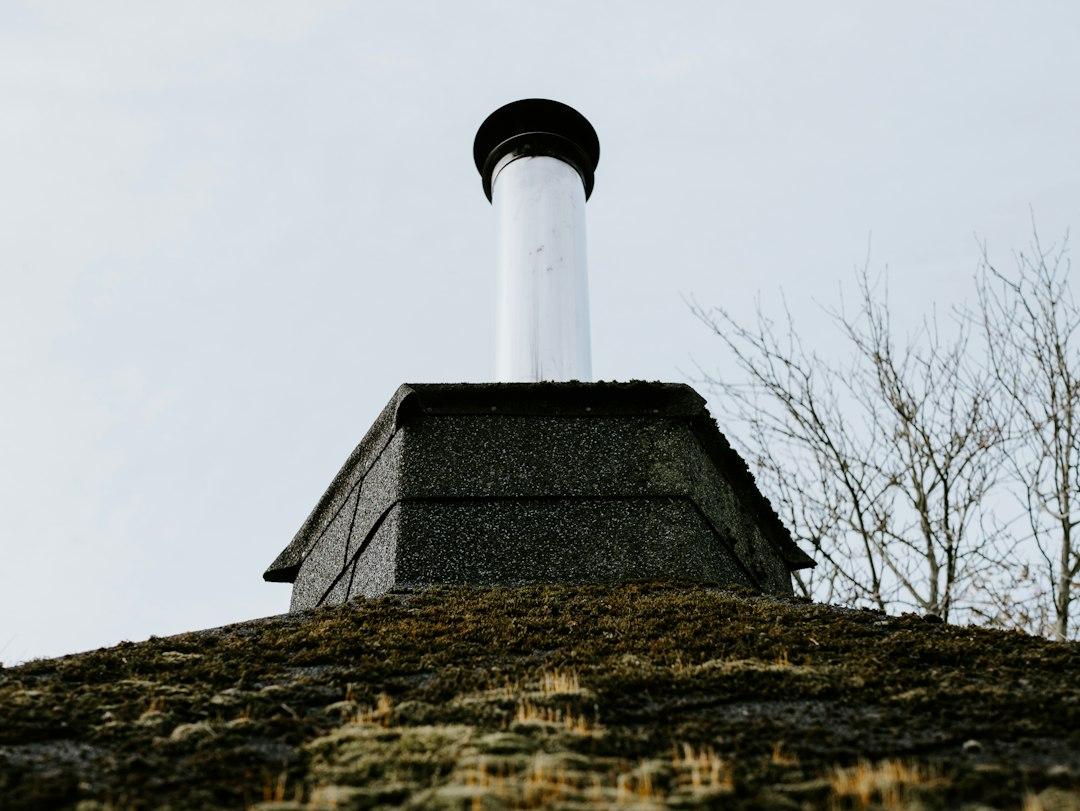
We do not price an insert from a phone description alone. The visit looks at the chimney that will carry the exhaust: the firebox floor and walls, the damper frame that may need trimming out, the smoke chamber, the flue from the top, the crown and the cap. If the masonry has cracks or loose brick, the report says so, because an insert does not rescue a chimney that is coming apart.
When the house is being sold soon, or the flue has never been looked at with a camera, a Level 2 inspection at $395 puts the inside of the flue on record before a liner covers it. The post on inspecting before a new insert explains when that step makes sense.
After the visit you get a written quote that names the unit, the liner, the gas work, the face and the price of each. Nothing is ordered until you sign it.
Ask for an insert quote
If you are deciding between keeping the open fireplace and closing it with an insert, the written quote is the next step. Use our request form and describe the opening: its rough width and height, whether there is a gas key on the hearth or the wall, and how the room behaves when you light a fire now. We may ask for a picture of the firebox when we call you back.
Gas, wood or pellet
Gas is the cleanest of the three in the room and on the street, and the easiest to live with: a switch, no ash, no wood to store. It is also the only one you can run on a no-burn night.
A wood insert suits a household that wants a real fire and has dry, split wood on hand. Burned with seasoned wood and enough air, a current wood unit sends out a fraction of the smoke an open hearth does, though it still sits under the winter alerts.
Pellet units burn compressed pellets fed by an auger, with a fan and an electrical supply. They burn cleanly when they are kept up, and they need regular service. Our pellet stove repair page covers that work.
What an insert does not change
An insert is a cleaner way to use the chimney, not a replacement for looking after it. A wood insert still needs a sweep, and a gas insert still needs a yearly check of the burner, the pilot, the glass seal and the liner joints. The fireplace inserts service page lists what that yearly visit covers. The crown, the cap and the flashing on the roof are still the same masonry they were before, and they still need to keep rain out of the flue.
Inserts in Compton
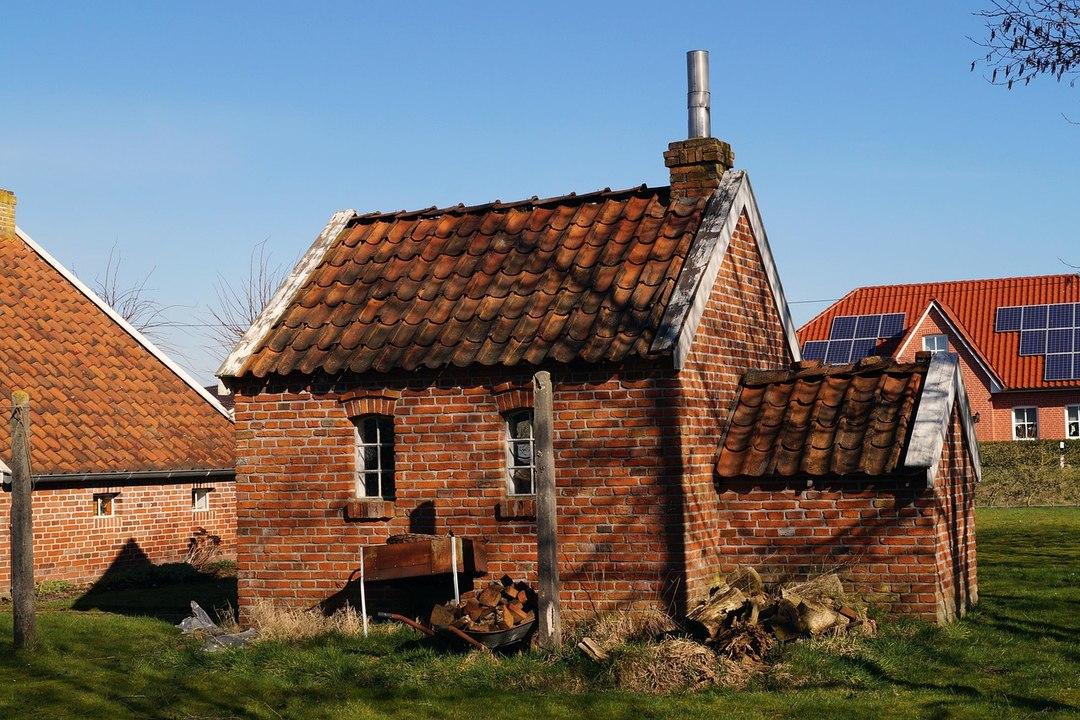
Most houses we see in Compton have a single brick chimney on an outside wall, and most of those fireplaces were built for wood. That makes them good candidates for an insert, as long as the flue checks out. When you want a firm price on yours, start at our contact page and Toller Chimney Experts will set up the visit.
Ready for a Cleaner-Burning Fire?
Toller Chimney Experts sweeps flues, repairs wood and pellet stoves, and fits inserts and gas logs, with the findings and any price set down in writing. Book from Compton, South Gate, Downey, Lakewood or a town nearby.