A chimney sweep with Toller Chimney Experts starts from $425 in Compton. That is the figure for a standard wood-burning fireplace with one flue, on a house we can reach with a normal ladder. This post explains what you get for it, what moves a sweep above the starting price, and why a clean flue matters as much to the air around your house as to the fire itself.
What the starting price covers
A standard sweep is a set job with a set result. For the starting price we:
- lay drop cloths from the door to the hearth and seal the fireplace opening so dust stays inside the box;
- run a vacuum that holds the fine soot while we work;
- brush the flue from the firebox to the top, and clear the smoke shelf and smoke chamber where most of the heavy deposit sits;
- clean the firebox and remove the ash;
- check the damper opens fully and closes, and that the cap is in place;
- note what we saw: how much creosote there was, what kind, and whether anything needs attention.
You get that note in writing after the visit, so you have a dated record of the sweep and of what the flue looked like.
Why a dirty flue makes more smoke
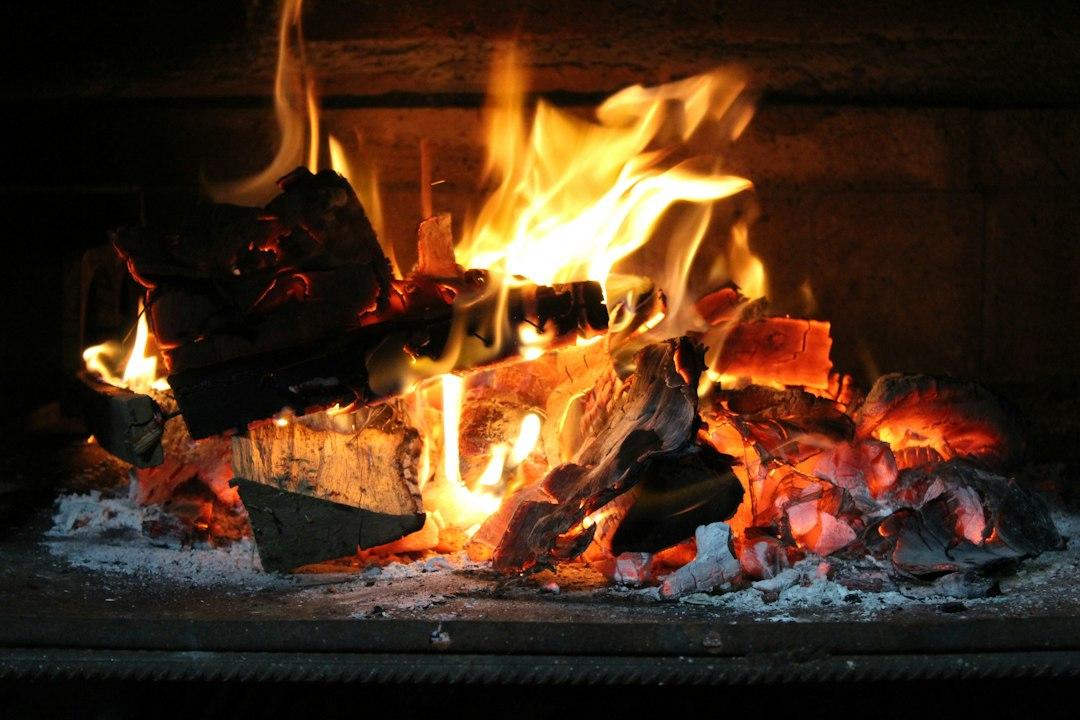
Creosote is unburned smoke that has cooled and stuck to the flue wall. It narrows the passage, and a narrower flue draws less air. A fire with less draft burns cooler and smokier, which lays down more creosote. Left alone, that loop ends in smoke spilling back into the room when the fire is lit, a smell that lingers in the house between fires, and a thicker plume from the top of the chimney.
A sweep breaks the loop. With the flue open again, the fire draws properly, burns hotter and sends less smoke into the room and onto the street. On the nights a burn is allowed in winter, a clean flue is the simplest way to make that fire a considerate one.
What moves a sweep above the starting price
The starting price assumes ordinary soot. These are the things that change the quote, and we tell you which apply before we start:
- Glazed creosote. Brushes slide over this hard, glossy layer. Removing it takes a powered rotary head or a chemical that softens it first, so the visit runs longer.
- More than one flue. A second fireplace, a stove flue or a furnace flue in the same chimney is a second job.
- A stove or insert in the way. If an insert has to be pulled out to reach the flue, that labor is added.
- Height and roof access. A two-story chimney or a steep roof needs more setup.
- Debris. Old nests, leaves or fallen masonry in the smoke chamber take time to clear, and fallen brick is a sign the report will point at.
The step after the price
If the starting figure fits your fireplace, booking is the next step. Use the booking form and tell us how many fireplaces or stoves the house has, roughly when the flue was last swept, and whether the fire has been smoking into the room. If anything on the list above applies, we confirm the price with you before the work begins.
How often to book
There is no single rule for every house. A fireplace used most weekends in winter builds creosote faster than one lit at the holidays. Damp wood, a damper left half closed and slow smoldering fires all speed it up. As a working guide, we suggest a sweep each year for a fireplace in regular use, and a check each year for one that sits idle, because nests and fallen debris build up without any fire at all.
Gas fireplaces are a different case. They make very little soot, so the visit is more about the burner, the pilot and the vent than the brush. The gas fireplace cleaning page covers that service.
Sweep, inspection, or both
A sweep cleans. An inspection records. Many visits combine the two: a clean flue is easier to look at, and a look at the flue tells you whether the next fire is a good idea. A Level 1 chimney inspection at $55 is a visual check of the parts you can reach. If you are buying or selling, or the sweep turns up something that needs a closer look, a Level 2 inspection at $395 puts a camera through the flue and gives you a report with images.
Sweeping a stove or an insert
A wood stove or a wood insert vents through a liner rather than the open clay flue, and the sweep follows it. We brush the liner from the top or the bottom, clean the connector pipe, and check the baffle above the fire, because a baffle packed with ash chokes the draft the same way a dirty flue does. If the insert has to be eased out of the fireplace to reach the liner, that time is quoted before we start. A sound stove on a clean liner is one of the cleanest ways to burn wood in a house, which is why we sweep them on the same terms as an open fireplace.
What a cheap sweep leaves out
When a sweep is offered well below the usual price, ask what it includes. A quick brush down from the roof with no vacuum, no smoke chamber cleaning and no note afterward is cheaper because it is less work. The soot left in the smoke chamber is the part that matters most for smoke and draft, and a sweep with no written note leaves you with nothing to compare against next year.
Compton sweeps
Most chimneys we sweep in Compton are single brick flues on one-story houses, which keeps most visits at or near the starting price. Toller Chimney Experts also sweeps in South Gate, Downey and Lakewood. When you are ready to book a clean flue, visit our contact page.
Ready for a Cleaner-Burning Fire?
Toller Chimney Experts sweeps flues, repairs wood and pellet stoves, and fits inserts and gas logs, with the findings and any price set down in writing. Book from Compton, South Gate, Downey, Lakewood or a town nearby.