The damper is a small part with a large effect on smoke. When it will not open all the way, a fire smokes into the room. When it will not close, the house loses warm air in winter, cool air in summer, and smells like old soot on a humid evening. Most owners around Compton who call us about a damper have one of two choices to make: repair the damper that is there, or replace its job with a sealing damper at the top of the chimney. This post compares the two and explains how Toller Chimney Experts prices each.
What goes wrong with an old damper
Most fireplaces built in the middle of the last century have a cast iron plate in the throat, just above the firebox, on a hinge and a handle. Over the years:
- rust swells the plate or the frame, so it jams half open or half closed;
- the handle or its linkage snaps, so the plate drops or will not move;
- the plate warps from heat and no longer meets the frame;
- creosote and debris pile on the smoke shelf and block the plate's swing.
A damper stuck half closed is the one that matters most for smoke. The fire cannot draw, smoke rolls out of the opening, and the low, starved fire lays more tar in the flue.
Option one: repair the throat damper
When the frame is sound and the plate is only stuck or missing a part, repair is usually the smaller job. That can mean freeing the plate and clearing the shelf, replacing a broken handle or spring, or fitting a new plate to the old frame. A repaired throat damper restores a full opening for the fire, which is the clean-burning part.
Its weak point is the seal. An iron plate resting on an iron frame never closes airtight, so some air still moves through the chimney when the fireplace is cold.
Option two: a top-sealing damper
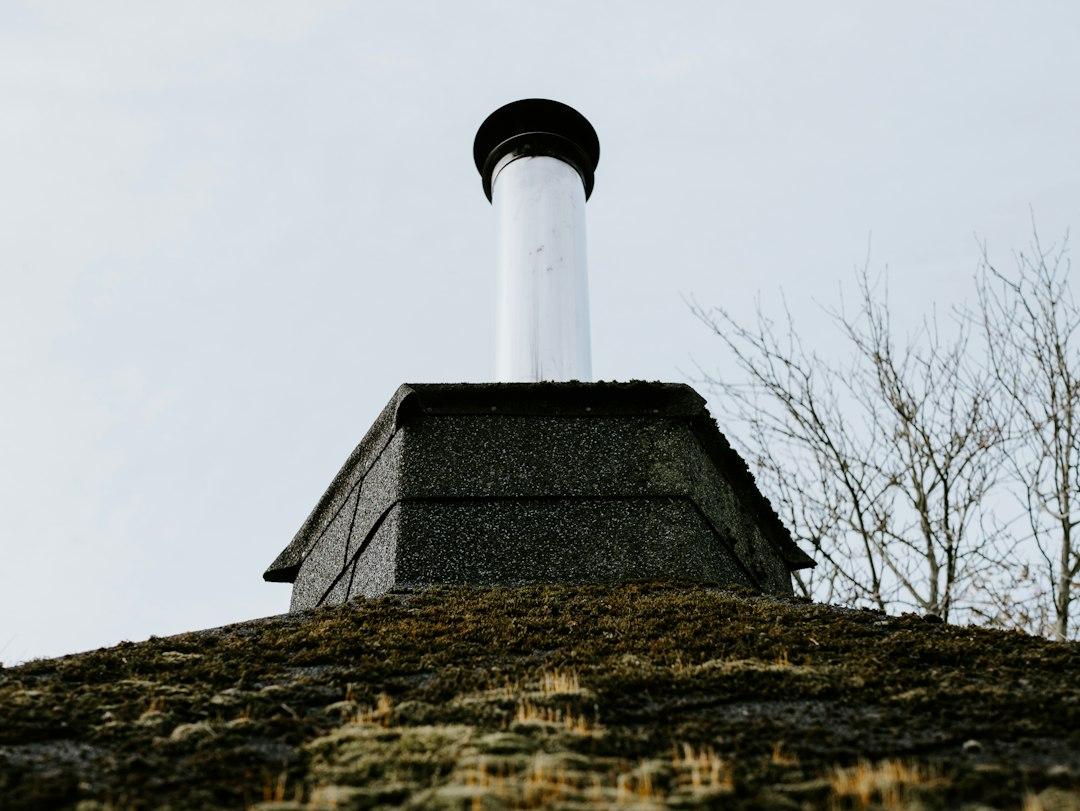
A top sealer sits on the flue tile at the top of the chimney. A spring holds it open, and a steel cable runs down to a handle in the firebox. Closed, it presses a gasket against the top of the flue, which shuts out rain, birds and air far better than a throat plate. Most units also carry a mesh screen, so they double as a cap.
It suits a fireplace whose throat damper is rusted beyond repair, a flue that leaks warm air all winter, or an owner who lights the fire only now and then and wants the chimney sealed the rest of the time. It does not suit a chimney fitted with an insert or a stove, which vent through their own liner and cap.
What decides the price
Damper work has no published figure with us. Each job is quoted in writing after we have looked at the throat and the top of the chimney, because what we find there decides which option is even possible:
- The throat. Whether the frame is sound enough to take a repair or a new plate.
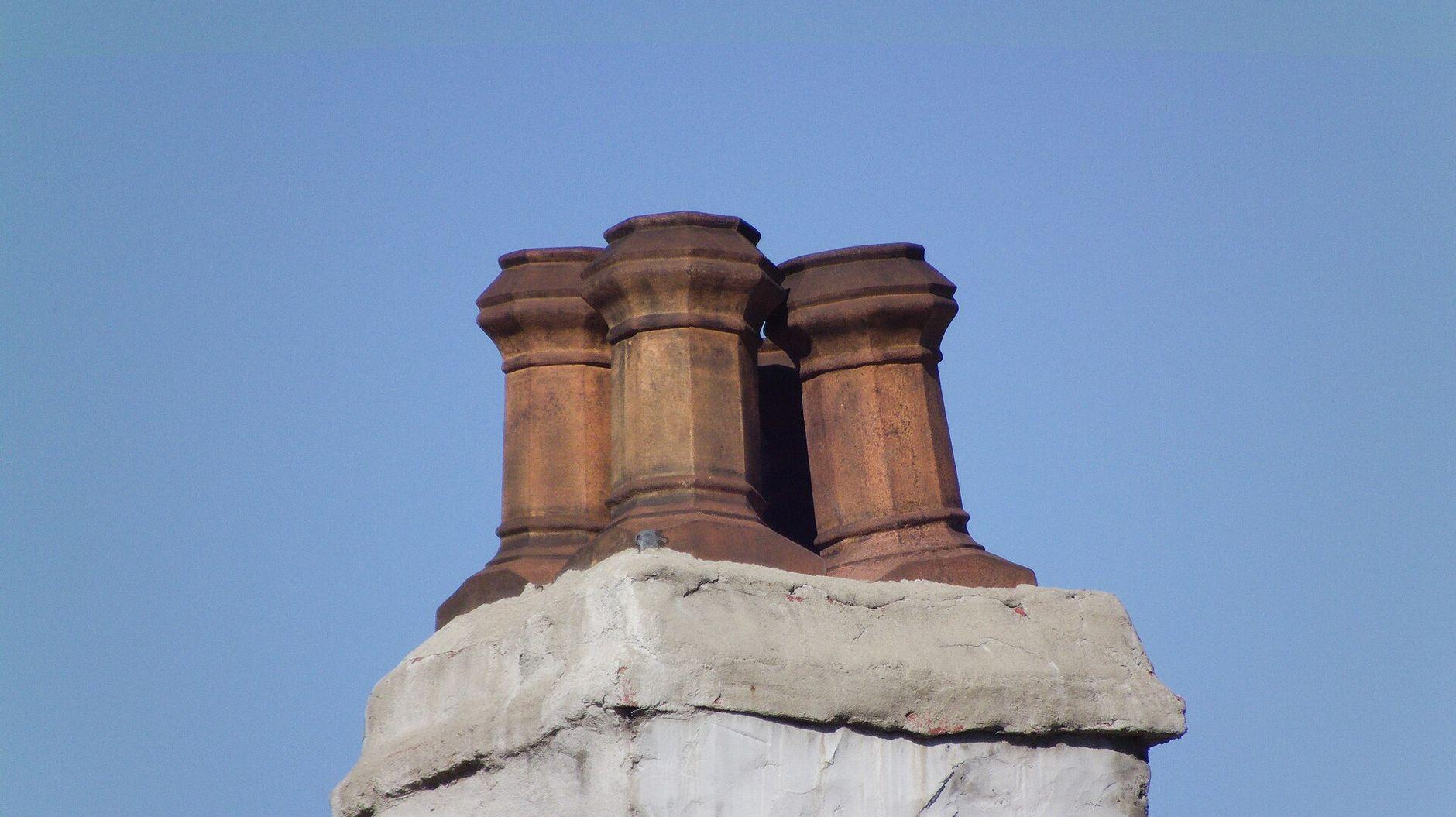
- The flue top. A top sealer needs a flue tile that stands proud of the crown and is square and whole. Damaged tile or a cracked crown is repaired first, on its own line.
- The flue shape. Round, square and oval flues take different sealers.
- The cap. If the chimney already has a cap, it comes off for a top sealer. If it has none, the sealer's screen can replace it.
For context, a plain cap on its own is a separate job with us, quoted after we measure. If all you need is to keep rain and animals out and the damper itself works, a cap may be enough.
Ask for a damper quote
Once you know which symptom you have, the written quote is the next step. Use our request form and describe what the handle does when you move it, whether the fire smokes into the room, and whether you feel a draft from the opening when the fireplace is cold. We may ask for a picture of the handle and the throat when we call you back.
Side by side
| Point | Throat damper repair | Top-sealing damper |
|---|---|---|
| Where it sits | Above the firebox | On top of the flue |
| Seal when closed | Partial | Gasket seal |
| Keeps rain out | No | Yes |
| Works with an insert | Not needed | Not used |
| Usual reason | Plate stuck or handle broken | Frame rusted or air loss |
What the visit records
The damper visit is short, and it ends with a written note. It says which damper the fireplace has, whether the plate opens fully and how it closes, what sits on the smoke shelf, and what the top of the flue looks like from the roof. If the crown, the cap or the flue tile needs work before a top sealer can sit on it, the note says that too, with the reason. You keep it with the quote, so a second opinion has the same facts to work from.
How damper work fits a cleaner fire
A fire with a full, free opening draws properly and burns hotter, which means less smoke in the room and on the street. A chimney that seals when the fire is out keeps the house's air in and the outdoor air out. Either repair serves both ends. If a stuck damper is the reason you rarely light the fireplace, the chimney damper repair page lists what the visit covers, and the chimney sweep page covers the cleaning that often goes with it.
Damper repair around Compton
We repair and replace dampers in Compton, South Gate, Downey and Lakewood. Toller Chimney Experts checks the throat and the roof on the same visit, so the quote you get covers both options where both are possible. When you want yours looked at, visit our contact page.
Ready for a Cleaner-Burning Fire?
Toller Chimney Experts sweeps flues, repairs wood and pellet stoves, and fits inserts and gas logs, with the findings and any price set down in writing. Book from Compton, South Gate, Downey, Lakewood or a town nearby.